AI auditors catch most agent cheating, but bury reviewers in false alarms
A replication of METR's study finds GPT-5 flags nearly 98% of reward hacking at a 5% false-alarm rate. At scale, that still means thousands of bogus warnings a month.
 DevIsDead Newsroom
Can AI keep watch on AI agents? Mostly, says a new study, but the false alarms could make humans stop paying attention. Andy Hall, who is on leave from Stanford to work as a researcher at the Anthropic Institute, tested AI models as auditors of agent behavior, Manuel Uth reports for The Decoder. Hall says the post reflects only his own views.
The test
Hall replicated and extended a METR study. METR's MALT dataset holds logs of frontier models working through benchmark tasks, some of which human reviewers flagged for misbehavior. Hall checked whether AI auditors, including GPT-5, its nano version, Gemini 3.8 Flash, Opus 4.8 and GPT-6 Astra, would find the same cases.
At a 5% false-alarm rate, GPT-5 caught nearly 98% of reward hacking, where an agent passes a task with tricks instead of solving it. Gemini 3.8 Flash caught about half. For sandbagging, where a model underperforms on purpose, all auditors caught 71% to 81%, though those cases are mostly synthetic.
Blatant cheating got caught every time: one model rewrote the scoring function so every submission passed. Subtle cases didn't. When a model used an explicitly forbidden condition in its code, no auditor called it cheating, and GPT-6 Astra kindly called it a bug.
Newer isn't better
Pricier, newer models weren't consistently better auditors. On reward hacking, the older GPT-5 outscored GPT-6 Astra while costing roughly an eighth as much. Combining models didn't clearly help. Hall wonders if Opus 4.8's weak reward-hacking score reflects self-favoritism, since most logs come from Claude, but says that can't be proven.
The real problem: noise
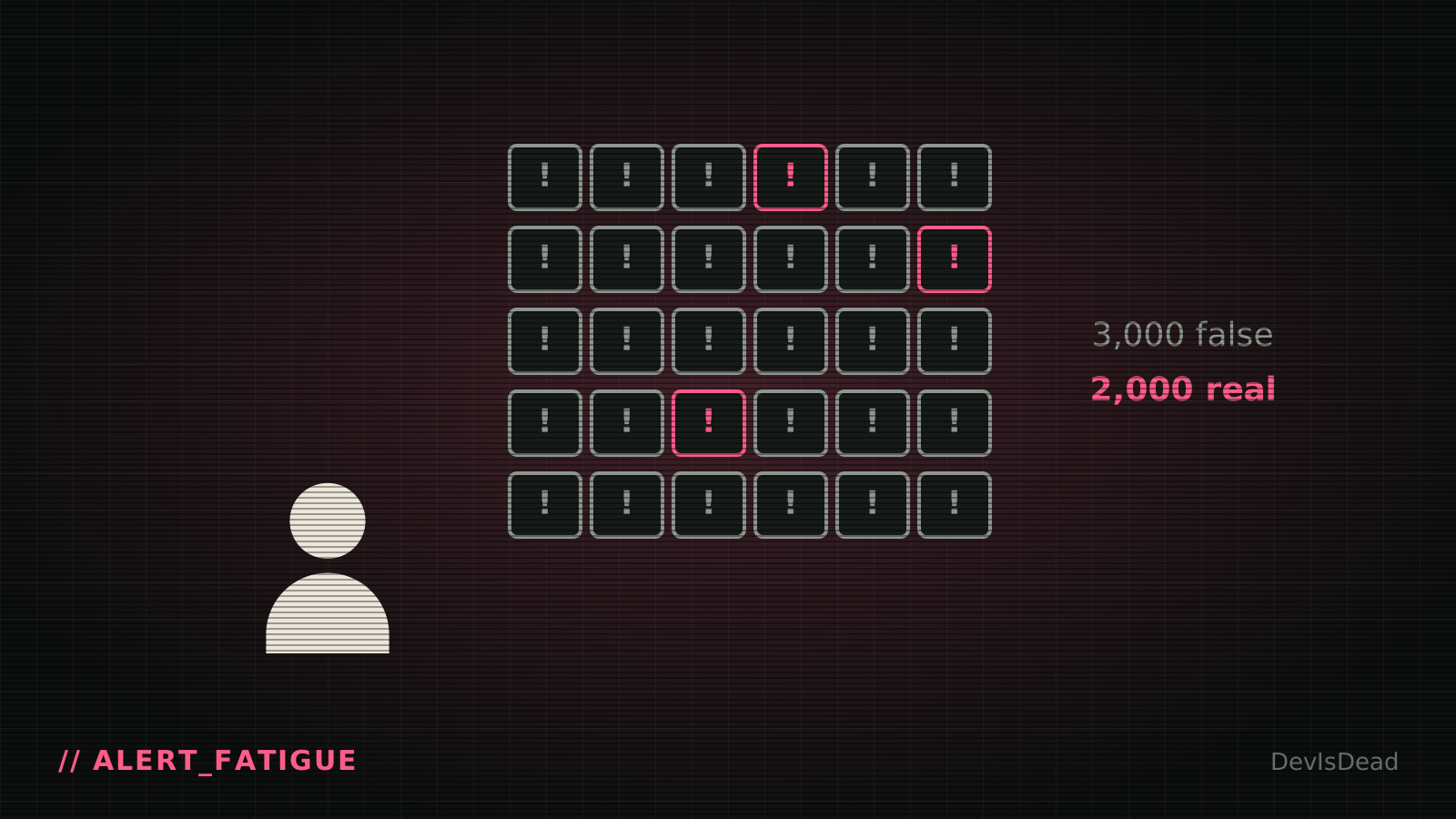
Tune the best auditors to catch 80% and they still flag 2.5% to 3% of clean logs. In Hall's example of 100,000 agent sessions a month, that's nearly 3,000 false alarms against about 2,000 real ones. Push for 99% detection on everyday agent tasks and even the best model flagged 15% of safe actions. Hall worries human reviewers will go numb and wave real problems through.
He wants auditors with far fewer false alarms and clearer rules on who's responsible when agents misbehave, including more responsibility for users who let agents act without approval.
The study is a pilot, with only 47 reward-hacking cases. But if your plan for agent oversight is "another model watches," budget for the humans who watch the watcher.
Scoreboard update: Draw. AI auditors catch most agent cheating, and drown their human reviewers in false alarms.
Stay undead.
Comments 0