Caregiver apps are adding AI assistants, but most aren't medical devices or covered by HIPAA
Tools like Ari and Caring Village's Julia help families track care and prep for appointments. A Harvard bioethicist says users should know what they're trading for the help.
 DevIsDead Newsroom
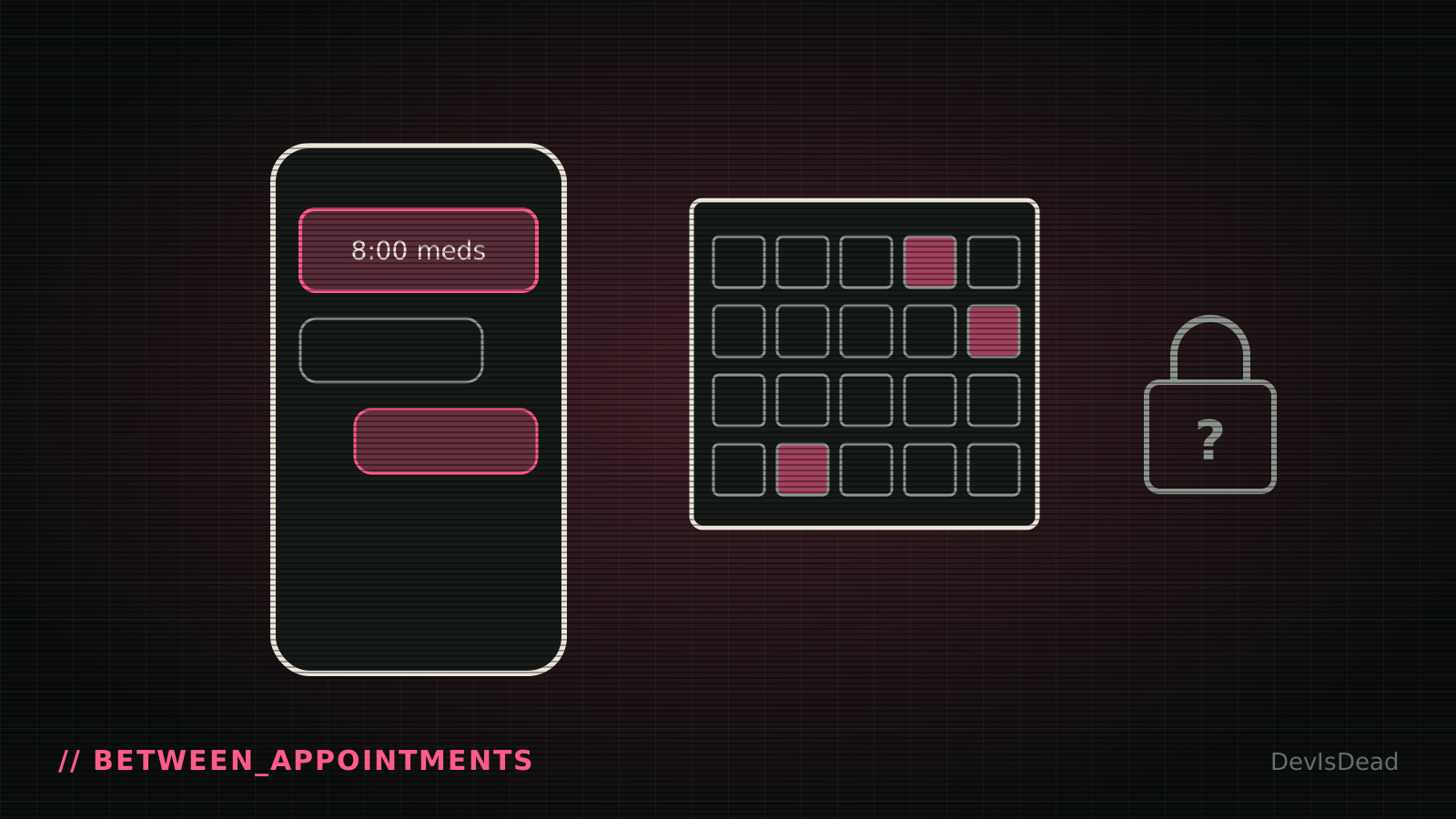
An estimated 63 million Americans cared for an adult or child with a medical condition or disability in 2025, according to AARP, spending up to 27 hours a week on it. Caregiver apps are now adding AI to lighten that load, and Jaclyn Greenberg, who cares for a son with multiple disabilities, looks at what's out there for WIRED.
What the apps do
Most started as organizers. Medisafe, around since 2013, tracks medications, sends reminders and can alert a caregiver to a missed dose, and includes a drug interaction checker. Caring Village handles calendars, to-dos and a wellness journal, and now has an AI assistant called Julia for caregiving questions. Mejo turns a medical history into a one-page summary to share with doctors and therapists; its team is exploring AI to suggest questions for appointments.
The most AI-forward is Ari, launched six months ago by Citizen Health. Caregivers text it to track symptoms and care; it can read medical records, patient portals and calendar events, spot patterns like how medication timing affects symptoms, prep summaries and questions before appointments, and help with insurance and benefits. It's in beta and only for rare diseases for now.
Smaller projects come from parents themselves. Brett Rowell is building Briggzy so he and his wife can hand off care for their son, who has cerebral palsy, across different work schedules. He hopes to launch in 2027.
The fine print
Harvard bioethicist I. Glenn Cohen is optimistic, especially about helping patients prepare questions for doctors. But he warns that most of these tools aren't medical devices, so the FDA hasn't reviewed their safety or effectiveness. And because the data comes from families rather than covered health providers, it typically isn't protected by HIPAA.
Why it matters
This is AI aimed squarely at the invisible work between appointments, and for exhausted families, a summary that's ready when the specialist walks in is real help. It's also some of the most sensitive data a person can hand over, to companies with fewer obligations than a hospital. Read the privacy policy before the first text.
Scoreboard update: Draw. AI starts carrying some of caregivers' mental load, with little oversight of what it does with their data.
Stay undead.
Comments 0