
Mastercard says AI agents on Kubernetes need their data protected while it's being processed
Its cloud engineering lead points to confidential containers on Red Hat OpenShift, and says agents get the same guardrails as any other app.
 DevIsDead Newsroom
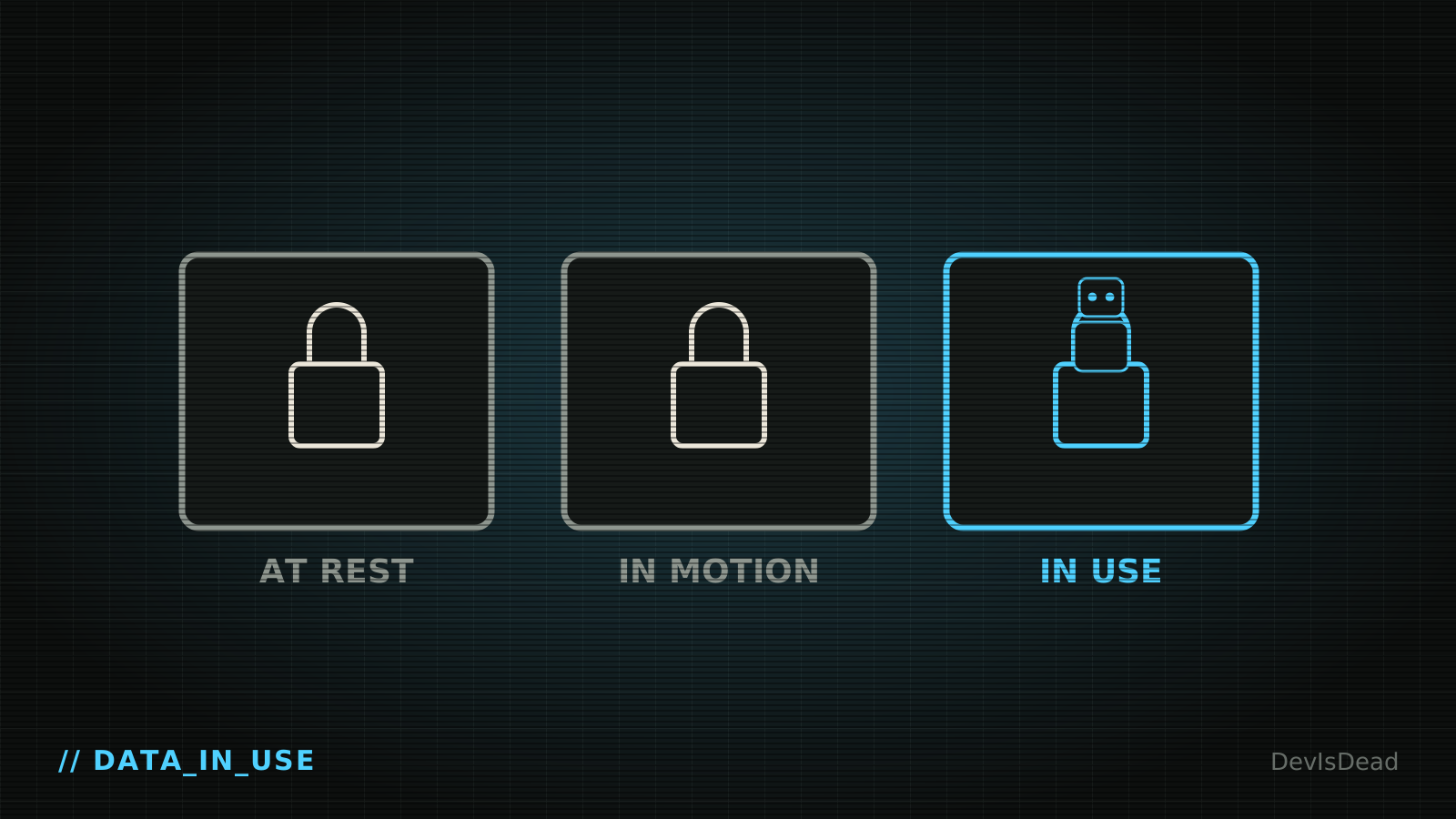
Now that companies run AI agents in production on Kubernetes, encrypting data at rest and in transit isn't enough for a payments company, Mastercard's Krishna Mayuram told theCUBE at KubeCon + CloudNativeCon North America, as reported by Jonathan Anthony for SiliconANGLE.
The gap
Mayuram, a senior principal engineer and VP of cloud engineering at Mastercard, says data in use, while an agent is actually processing it, is the piece still missing. Container orchestration is now the default home for AI workloads, and the data agents touch is the main target. For a payment network, each transaction means customer data and regulators to answer to.
His answer is confidential computing: running workloads in secure, isolated virtual environments or confidential containers so the data stays protected even while it's being used.
How Mastercard runs it
Mastercard builds on Red Hat OpenShift, which Red Hat is extending for AI agents and which now supports confidential containers on bare metal. Mayuram says agents behave a lot like microservices and need the same elastic scaling Kubernetes gives other apps, horizontal and vertical.
Scale raises the stakes for a company working under many countries' laws. Mastercard has lately launched trust services aimed at shopping done by agents, and internally it applies guardrails from development to deployment. In Mayuram's view, agents don't get special treatment: the security rules are the same as for any other application.
(theCUBE is a paid media partner of the event.)
Scoreboard update: Draw. Agents move into payments, and the old enterprise security rules come along unchanged.
Stay undead.
Comments 0