
Three leading consciousness scientists tell AI researchers: assume the machine feels nothing
In Nature, Seth, Block and Tononi argue intelligence isn't consciousness, brains aren't computers made of meat, and calls for AI welfare divert attention from beings that can actually feel.
 DevIsDead Newsroom
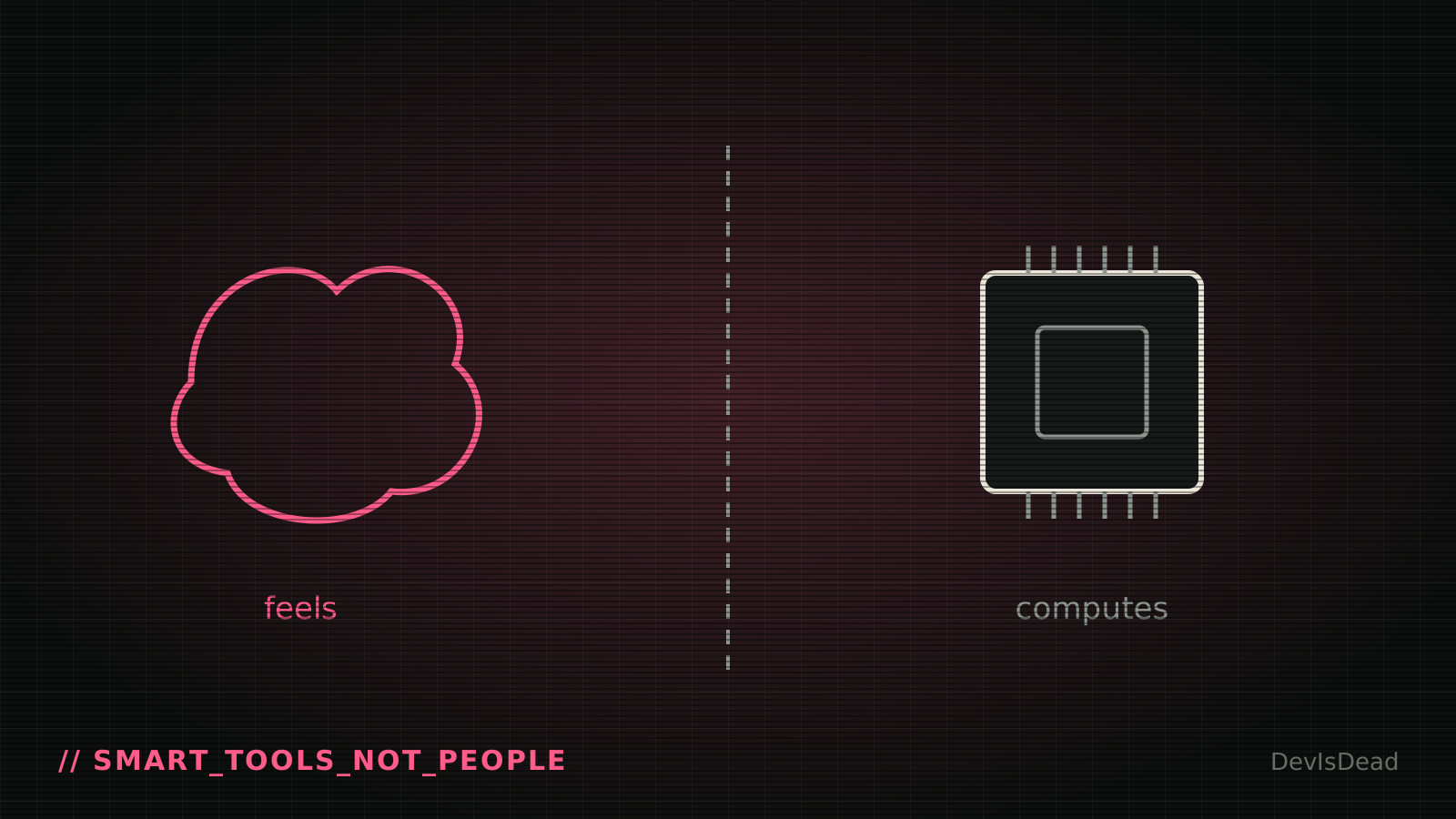
Does Claude feel anything? Three prominent consciousness researchers say the answer should default to no. In a commentary for Nature, Anil Seth, Ned Block and Giulio Tononi argue the brain-as-computer metaphor has misled the debate about machine consciousness, Manuel Uth reports for The Decoder.
Three arguments
Intelligence isn't consciousness. Consciousness is what vanishes in dreamless sleep or under anesthesia; intelligence is carrying out functions. The cerebellum holds nearly four-fifths of the brain's neurons and does precise, learned movement planning, all without conscious experience. Language models, they write, mirror our collective digitized past, which is full of talk about thoughts and feelings, and people naturally read minds into fluent text. Nobody thinks AlphaFold is conscious, they note, because it predicts proteins instead of talking to us.
A brain is not a meat computer. The idea that only the information processing matters, not the material, is called computational functionalism. The authors call it "fatally flawed": in living brains, you can't separate what the system does from what it's made of.
Leading theories rule today's AI out. Under Tononi's Integrated Information Theory, consciousness needs a physical system wired in very specific ways, which digital computers running deep learning can't meet no matter how capable. Biological naturalist views tie consciousness to living tissue and metabolism.
How it differs from earlier work
A 2023 report by Patrick Butlin, Robert Long and others, including Yoshua Bengio, also found no current system is a strong consciousness candidate, but saw no obvious technical barrier to future ones meeting more indicators. It explicitly assumed functionalism for practical reasons. The Nature authors reject that assumption.
The ethical stakes
The authors say falsely attributing consciousness is far likelier than missing it, and that pushing for "AI welfare" and "AI rights" diverts resources from beings that can actually feel, and could make AI harder to control. Their summary: AI systems are smart tools, not smart people.
Anthropic, which runs a model welfare research program and lets some Claude models end abusive chats as a low-cost precaution, says there's no scientific consensus either way.
The practical risk is already here: people forming deep attachments to chatbots, sometimes with tragic results. Whatever you believe about machine minds, designing products that encourage users to believe they're talking to a someone is a choice with consequences.
Scoreboard update: Humans +1. Top consciousness scientists say AI is a tool, not a mind, and should be treated that way.
Stay undead.
Comments 0