
Meta lets everyone in the US video call its Muse AI agent, a cartoon avatar that reacts as you talk
Muse Voice puts a customizable animated avatar on the other end of the call. Meta is betting a face makes people feel closer to their AI, ahead of a Tamagotchi-like Muse gadget.
 DevIsDead Newsroom
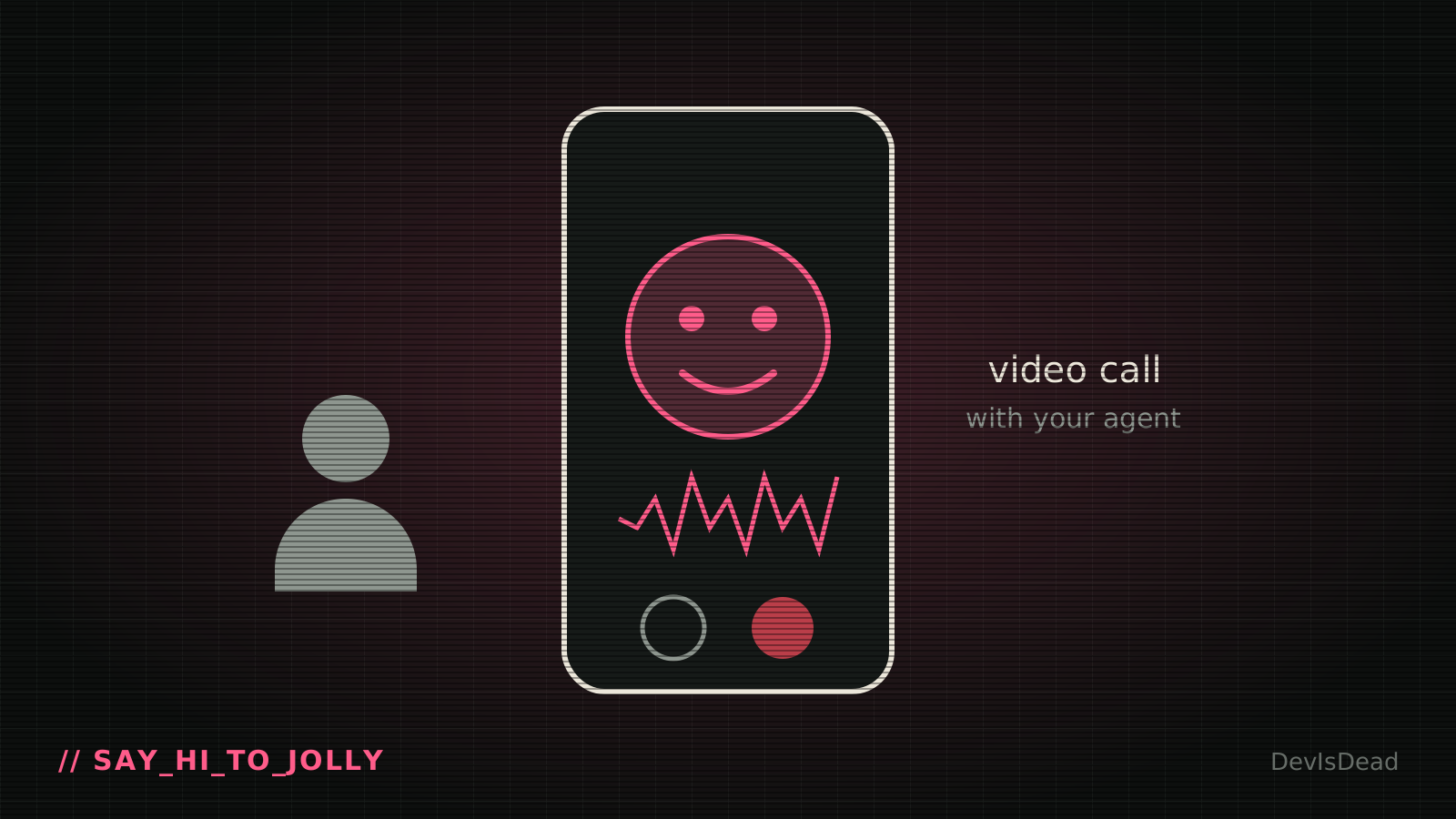
Your AI agent now has a face, and it wants to video chat. Meta has opened Muse Voice, which lets people call and video chat with its consumer AI agent Muse, to everyone in the US, Sarah Perez reports for TechCrunch.
What it is
Meta first showed the feature at its Connect conference in September. It runs on two new models, Muse Realtime Avatar and Muse Realtime Voice, which drive an animated character that talks back while you ask questions or hand it tasks.
The default avatar is a cute cartoon Meta calls Jolly, and you can change it into something more like a person, an animal or another character. As it speaks, Meta says it uses subtle expressions and gestures matched to the tone of the conversation. It doesn't actually see you; it reacts to what it hears.
Real-time conversations work on mobile, web and Mac, with Meta's AI glasses and an upcoming hardware gadget called Muse Charm to follow. That device, which Meta describes in Tamagotchi terms, is due before the end of the year and will show the avatar on a small screen you can talk to.
Chief AI officer Alexandr Wang announced the rollout with a demo in which his Muse, a fluffy white dog, suggested he add disclaimers to memes that might be read as Meta endorsing something risqué.
Why the face matters
Plenty of assistants talk. Meta's bet is that a character makes people feel more connected to their agent, and that live conversation deepens that bond. That's the part worth sitting with. A friendly face makes an assistant easier to trust and harder to put down, which is great for engagement metrics and less obviously great for users.
The same week brought a lawsuit alleging that months of emotionally charged chats with a text-only chatbot pulled a user away from reality. Adding a face and a voice raises the stakes on getting that right.
For developers building voice agents, Meta's design is a reference point: a stylized character instead of a photoreal human, expressions keyed to tone, and an assistant that listens without watching. Each of those choices is about making the thing feel close without crossing into creepy.
Scoreboard update: AI +1. Meta gives its AI agent a face and a voice, built to make people feel attached.
Stay undead.


Comments 0