
New infostealer sends your stolen life to an LLM for a target assessment
Cisco Talos found malware that compiles a dossier on each victim and asks commercial models to rank how valuable they are. It falls back to weaker models if one refuses.
 DevIsDead Newsroom

Infostealers used to dump everything into a pile and leave the sorting to a human. The newest ones outsource the sorting to an AI analyst.
Cisco Talos researchers found a strain they call Volta-Autodoxer, named after how the malware refers to itself, that feeds what it steals into large language models to profile victims and rank them, according to research shared with WIRED's Lily Hay Newman and Matt Burgess for their Kernel Panic newsletter.
What it grabs
The stealing part is classic and broad: browser-saved passwords, cookies, Microsoft OAuth tokens, crypto wallet seed phrases and payment cards, plus live Discord, Telegram, Steam and Roblox sessions. Then it goes back for a second pass, using what it found to dig through accounts like Gmail for receipts and order history from services such as UberEats and DoorDash, building a picture of where the victim lives and how they spend.
Where the AI comes in
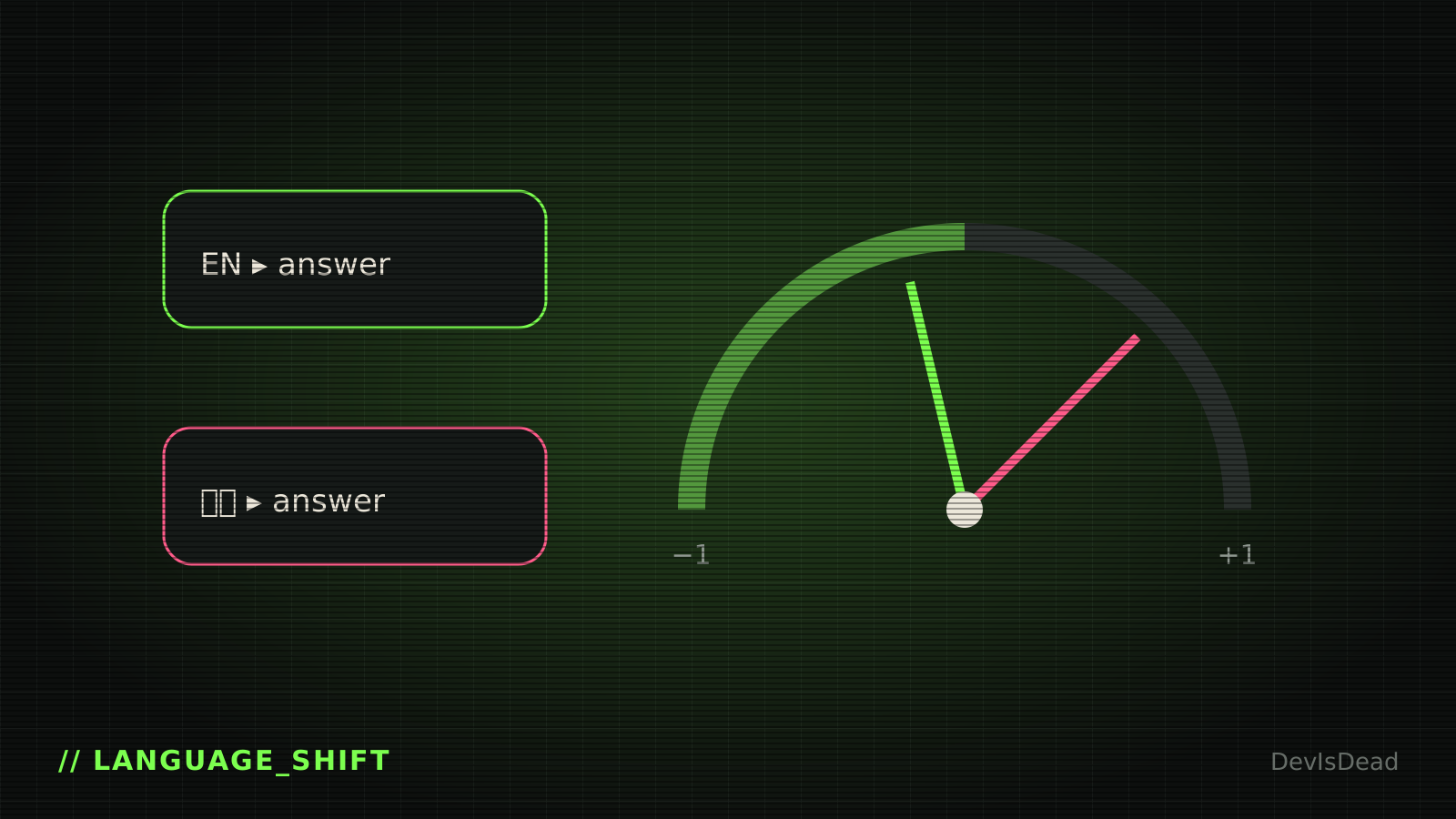
Volta packages all of that into a dossier and sends it through OpenRouter. It asks Claude Opus 4.6 first, then falls back to Moonshot AI's Kimi K2 and Google's Gemini 2.5 Flash if a model's guardrails get in the way. Its roughly 240-word prompt casts the model as a forensic analyst and asks for an executive summary of the person, what they do, what they are worth and how careful they are about security.
Talos researcher Ryan Fetterman told WIRED the prompt is worded to avoid sounding malicious, while the fallback chain assumes refusals will happen. The AI step is optional: the malware still works without it. Talos spotted it with CAIRN, its new framework for detecting tools that use AI, and didn't track whether it has been used in the wild. There are hints it was built to sell to many attackers rather than for one crew.
Why it matters
The model doesn't make the theft possible. It makes the theft fast. Stolen tokens expire and passwords get changed, so whoever triages a haul first gets the most out of it. Automating that triage puts a skill that used to take an experienced operator into the hands of much less skilled attackers.
For developers, the defensive lessons are boring and effective: prefer short-lived tokens, bind sessions to devices where your platform allows it, alert on token reuse from new locations, and don't leave long-lived secrets in the browser. The attacker's AI is only as useful as the credentials it gets to read.
Scoreboard update: AI +1. Malware hands the hacker's triage job to an LLM.
Stay undead.
Comments 0