Zum adds Zoe, an AI assistant that investigates late school buses but leaves the fixes to staff
Built into the Zum CMX platform used by more than 7,500 schools, Zoe answers plain-language questions about routes, coverage and payroll, and recommends next steps without acting on them.
 DevIsDead Newsroom

School transportation company Zum has launched Zoe, a conversational AI assistant inside its Zum CMX platform, according to Unite.AI. Zum says more than 7,500 schools in 19 states have used CMX. Zoe is meant to replace the reports, spreadsheets and manual cross-checking that go into figuring out why buses run late, why routes lack drivers and why payroll looks odd.
What it does
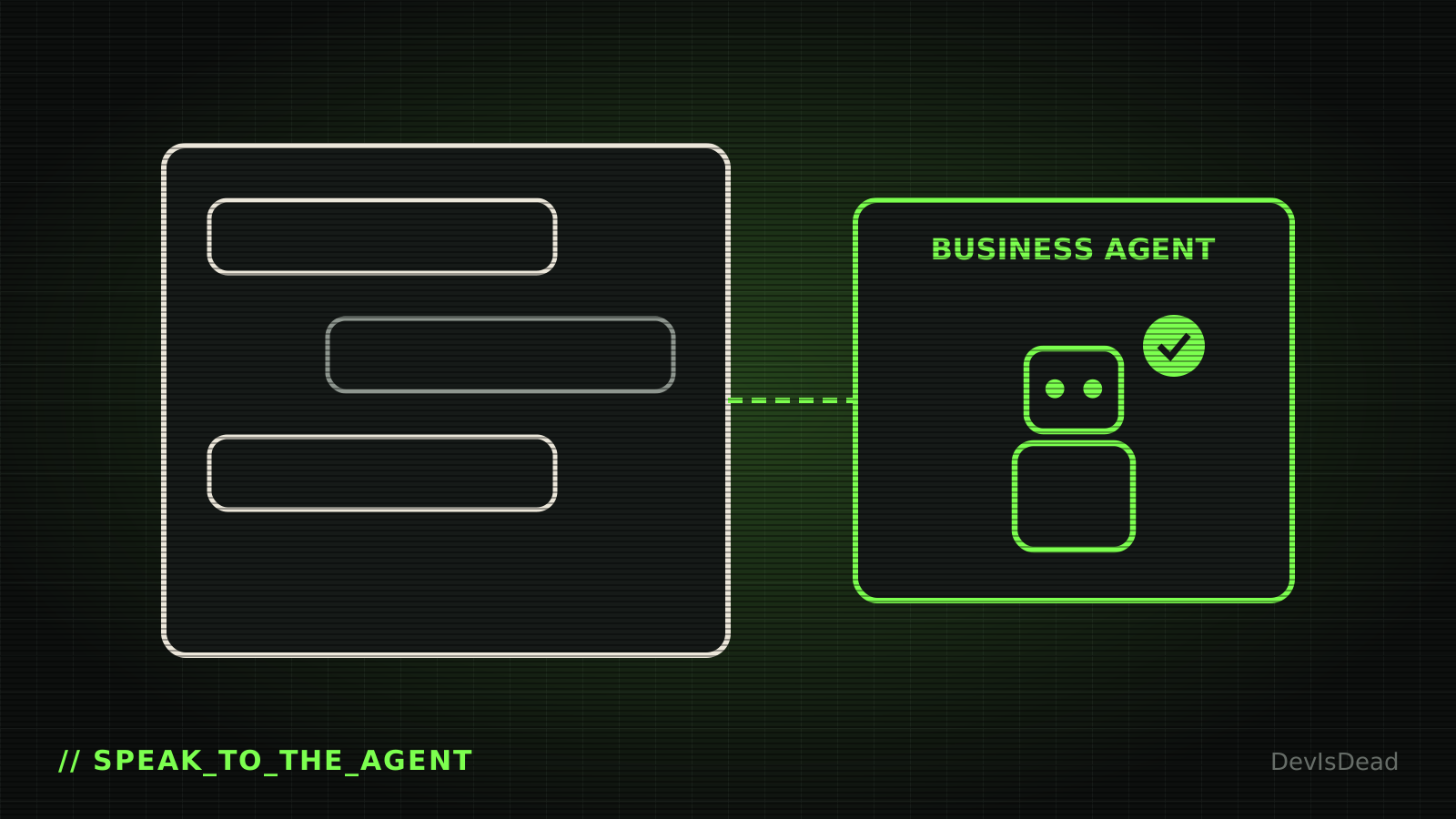
Staff ask a question in plain language and get back a summary, the probable reason and what to do about it, along with the supporting data. Users open Zoe from the Zum Assistant button or from Analyze buttons across the app, and can also walk users through CMX from Zum's help content.
It works across the records CMX already links: student information, payroll, telematics, ridership, routes and runs, and who's driving what. Some examples:
- A late route: is it a one-off or a pattern, and is it driver coverage, route design or unscheduled stops? It might suggest coaching a driver or changing the route.
- Payroll: start from unusual paid hours and narrow down to the shifts with repeated extra stops or unexplained waiting time.
- Coverage: find routes that keep needing a substitute driver or keep getting split, and compare a route with an earlier version.
What it won't do, yet
Zoe only investigates and recommends. It doesn't change routes, reassign drivers or contact families, and human support stays available. It follows Zum's existing role-based permissions, so users see nothing they couldn't see before. Zum says student data stays encrypted in its cloud, is never handed to AI model companies for training, and is never sold or shared.
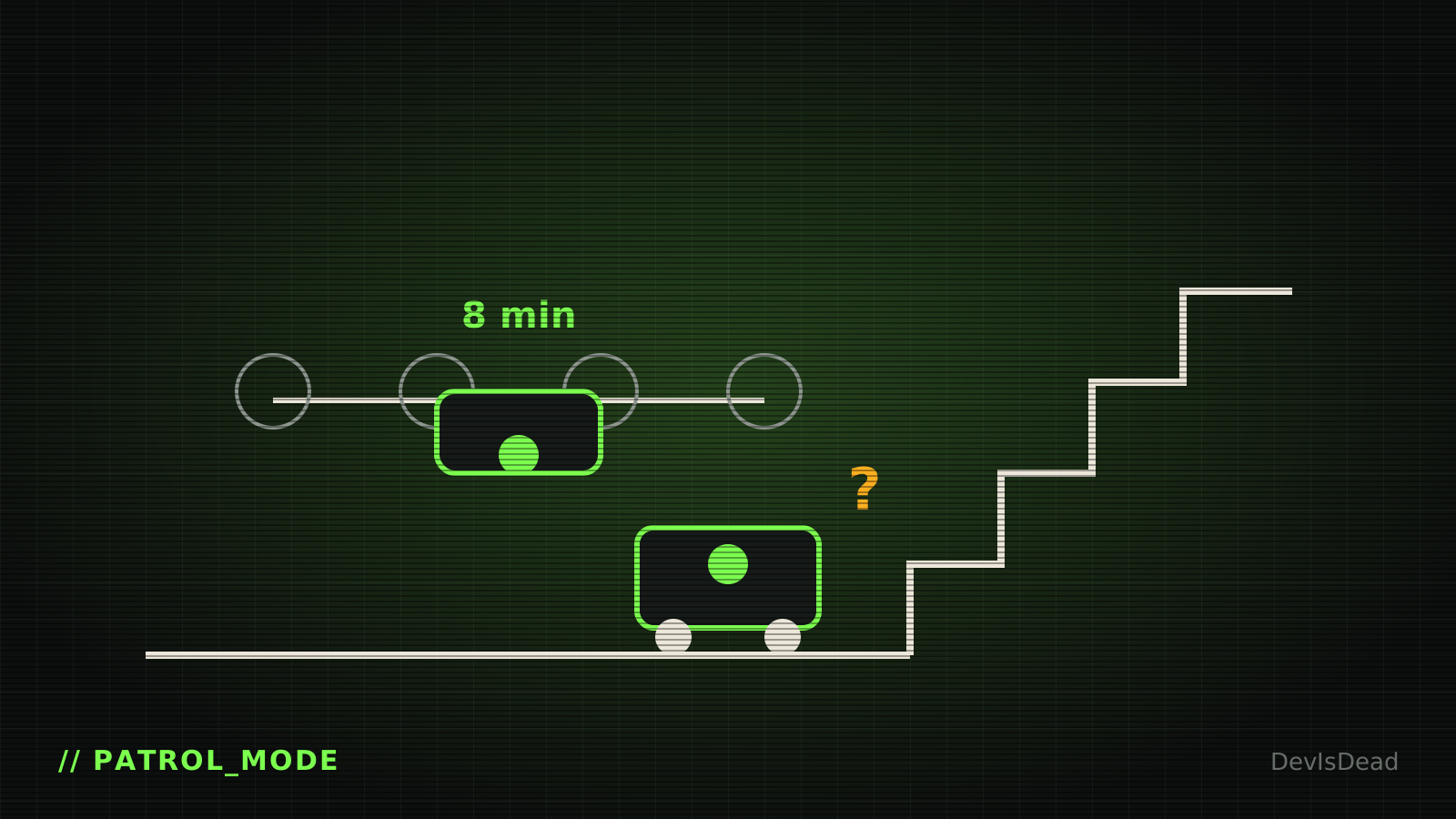
That's the launch version. Zum says it's working toward letting Zoe take actions, like putting a substitute driver on a route, changing the route itself or contacting a family, with approvals and the same privacy rules.
Early users
San Francisco Unified is evaluating it; its interim transportation director, Tomas Beccar Varela, said it looks promising for making complex data easier to work with. Greg Massa of Virginia Beach City Public Schools said it helps his team see what changed on a route and how that affected performance.
Scoreboard update: Draw. AI finds why the bus was late, and a human still decides what to change.
Stay undead.
Comments 0