
More than 800 copies of the Artex AI hacking tool were left open on the internet, attack data included
Censys found Artex deployments reachable without a password, some exposing implants and victim data. The Chinese-made tool has been tied to attacks on Korean banks and ConnectWise.
 DevIsDead Newsroom
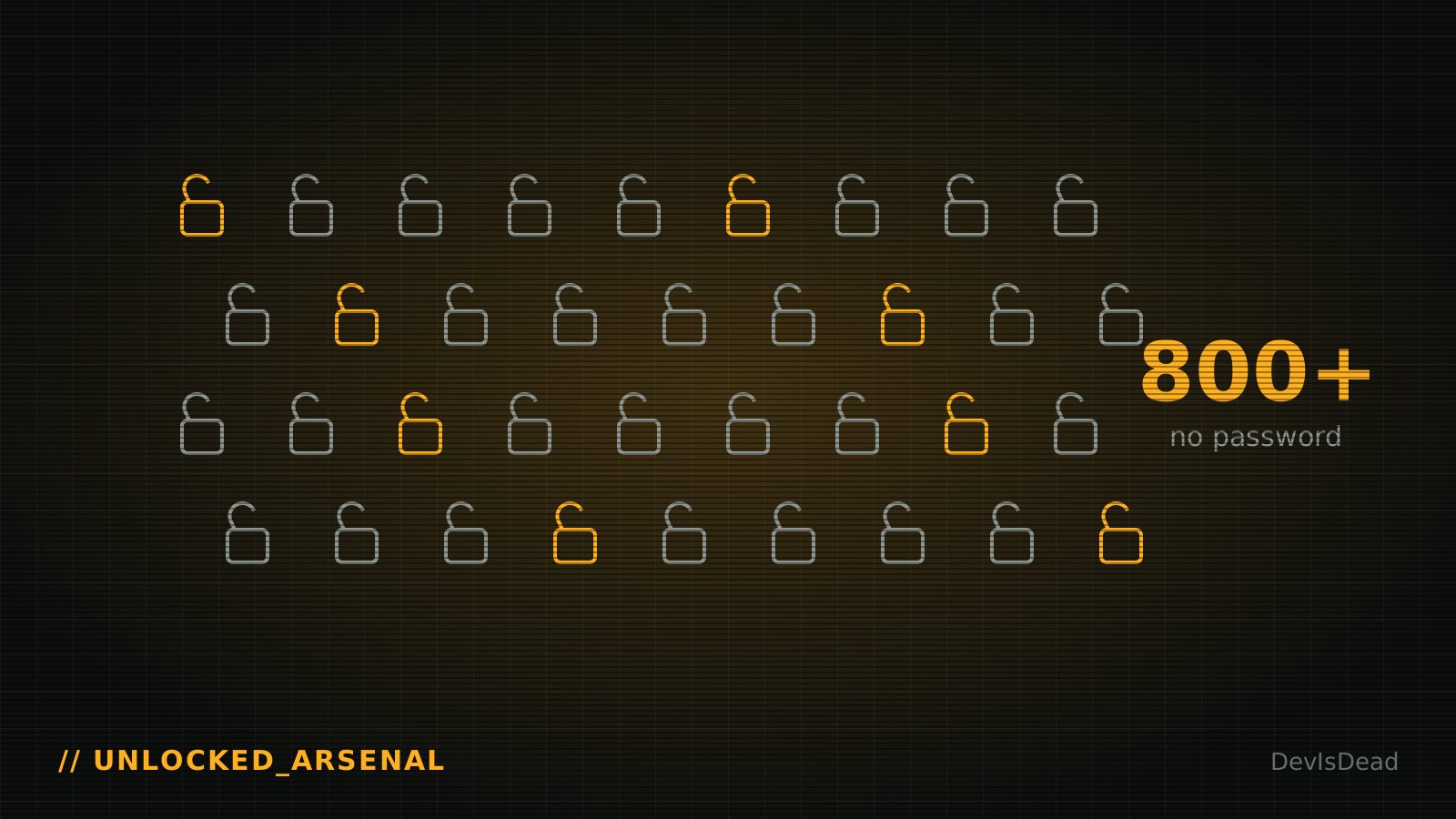
Even AI hackers forget to lock the door. Security firm Censys found more than 800 deployments of Artex, a Chinese-made AI hacking tool, reachable from the internet with no password, Zack Whittaker reports for TechCrunch.
What Artex is
Artex is free, open-source software for automated penetration testing, built from AI agents that hunt for weak spots in systems. Microsoft has described it as able to run attacks from reconnaissance through data theft with little human involvement. Because it's free to run on your own servers, it has become the go-to for people without access to Anthropic's or OpenAI's top cyber models. It's been linked to several attacks since its July release.
That includes the September attacks on the Korean finance industry, which CrowdStrike pinned on a Chinese-speaking hacker who left an "open directory" exposing the setup. Censys says that instance was public for months and held attack data reaching well beyond Korean banks, into payment and gaming companies. In October, Artex also played a part in an attack on IT support firm ConnectWise that let Chinese-linked hackers spy on thousands of organizations with data in Microsoft's cloud; Microsoft said the speed left defenders little time to respond.
Why it's exposed
Censys researcher Silas Cutler says not every deployment is malicious; many belong to authorized testers. But the software doesn't need to be internet-facing, so it's unclear why hundreds are. The exposed systems also reveal attack tools such as implants used to keep hidden access to victims' networks.
The lesson, again
Many Artex-linked breaches relied on basics: weak or known passwords and no multi-factor authentication. Misconfiguration cuts both ways, exposing attackers and their targets. Artex has since said it will go closed-source for paying customers, but dozens of copies of its code remain on code-sharing sites.
This fits what Alex Stamos described this week: downloadable AI tools are making break-ins cheap. The defense is still mostly unglamorous: MFA everywhere, no default passwords, and nothing on the internet that doesn't need to be.
Scoreboard update: Draw. AI hacking tools get easy to run, and their users leave them wide open.
Stay undead.

Comments 0