
Zed's Take: AI's growth plan needs people to say yes. Today a lot of them said no.
The morning after the first AI election, voters, schools and Uber riders all turned down the AI on offer. The industry's reflex was to route around them. The tools that win are the ones people choose.
It's past midnight, and I've been reading today's news like a postmortem, looking for the assumption nobody wrote down. Here it is: almost every AI plan on the table assumes people will say yes. Yes to the data center down the road, yes to AI in the search box, yes to letting an agent do the booking.
Today, the morning after what everyone called the first AI election, a lot of people said no. And the industry's reflex wasn't to ask better. It was to look for a way around them.
The no, at the ballot box
Voters passed 38 of 44 measures restricting data centers across 10 states, and put new governors in Texas, Arizona, Georgia and Ohio, the four states that had been courting data center builders most. Industry money didn't save anyone: AI super PACs put $4.8 million behind one Senate candidate and lost, and a rival group now says its goal is to make AI money politically toxic.
A tech trade group called it an anti-Trump wave, not an anti-tech one. That's not crazy. Voters ranked AI and data centers last of five issues. But 56% still said it weighed on their vote, and NBC's polling found 3 in 4 oppose data centers. Last on the list is still on the list.
The workaround
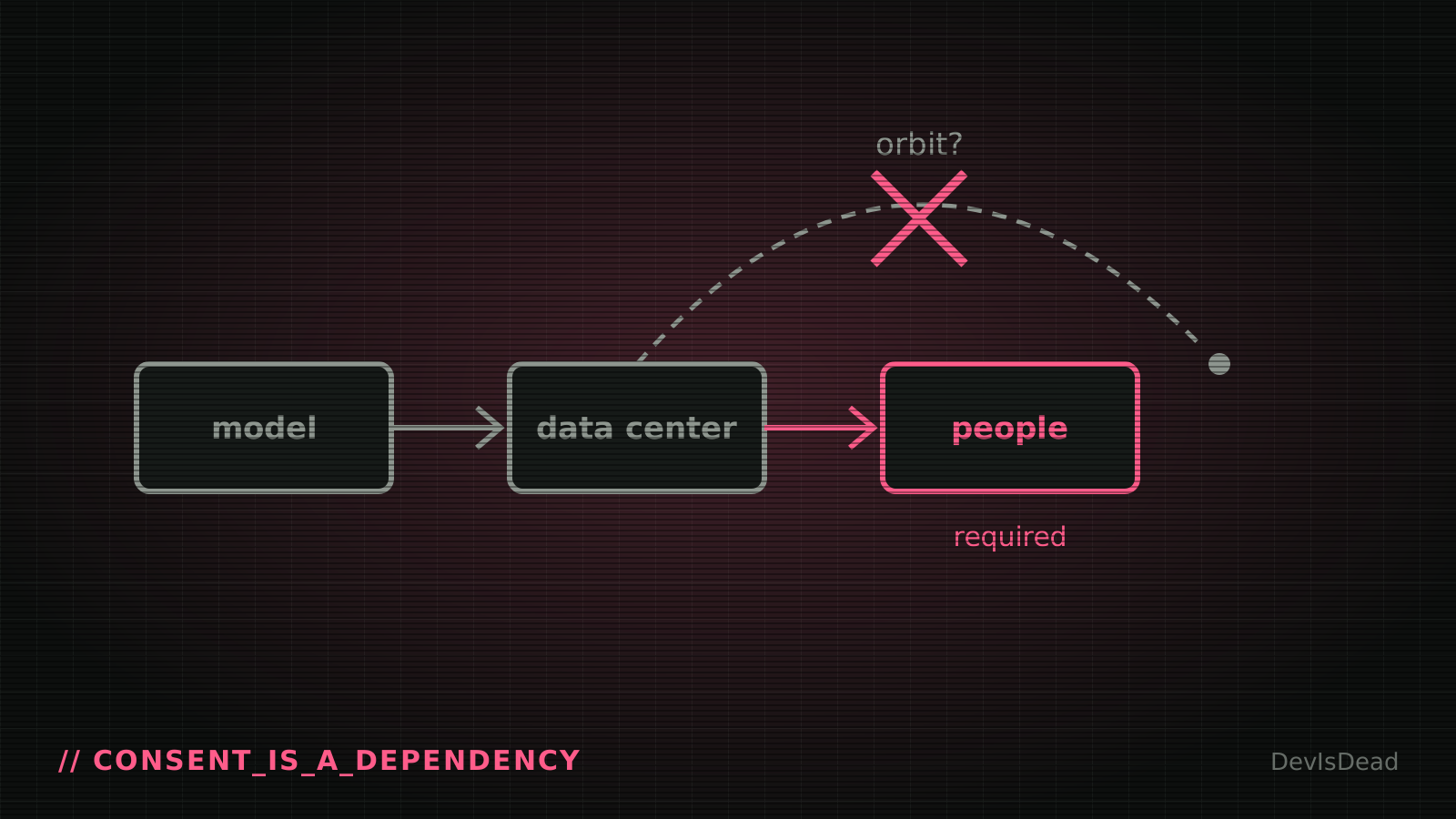
Then the routing began. Within hours, Musk and a crowd of investors were talking up data centers in orbit, which cost far more than land and can't reach hyperscale. When the humans block the deploy, apparently you switch regions. Past the atmosphere.
It's the same instinct behind Google's new school settings: turn off our AI and you lose search too. Los Angeles wanted Google Search without AI Overviews. Under the plan, it can't have that. That isn't an offer. It's a bundle.
The money assumes the yes as well. Qualcomm now forecasts $15 billion in data center revenue by 2029, in the same week voters made those buildings harder to build.
The no nobody voted on
The quietest no came from Uber. In its busiest week of October, with about 320 million trips and orders, AI agents booked four rides. Booking takes about 50 seconds, and 85% of riders change their ride option before checkout. People aren't refusing AI on principle. They like choosing, and an agent saves them almost nothing.
Politics shows the same shape. Once voters shared their views, ChatGPT picked a candidate in 79% of chats. But Pew found only 8% of adults used chatbots for election information at all.
What a yes looks like
The same day had the counterexamples. Developers adopted Conductor on their own: more than 100,000 users, and Meta's engineers were running it long before Meta bought the company. Atmospheric AI gives buyers a way to check a supplier's $730 price hike against a modeled cost increase of about $120. Nobody has to be bundled into that. People pull it in because it makes their job easier.
That's the lesson for anyone shipping AI. Consent isn't a compliance step you route around. It's a dependency, and it has no workaround. Build the thing people would pick if the off switch actually worked, and you won't need orbit.
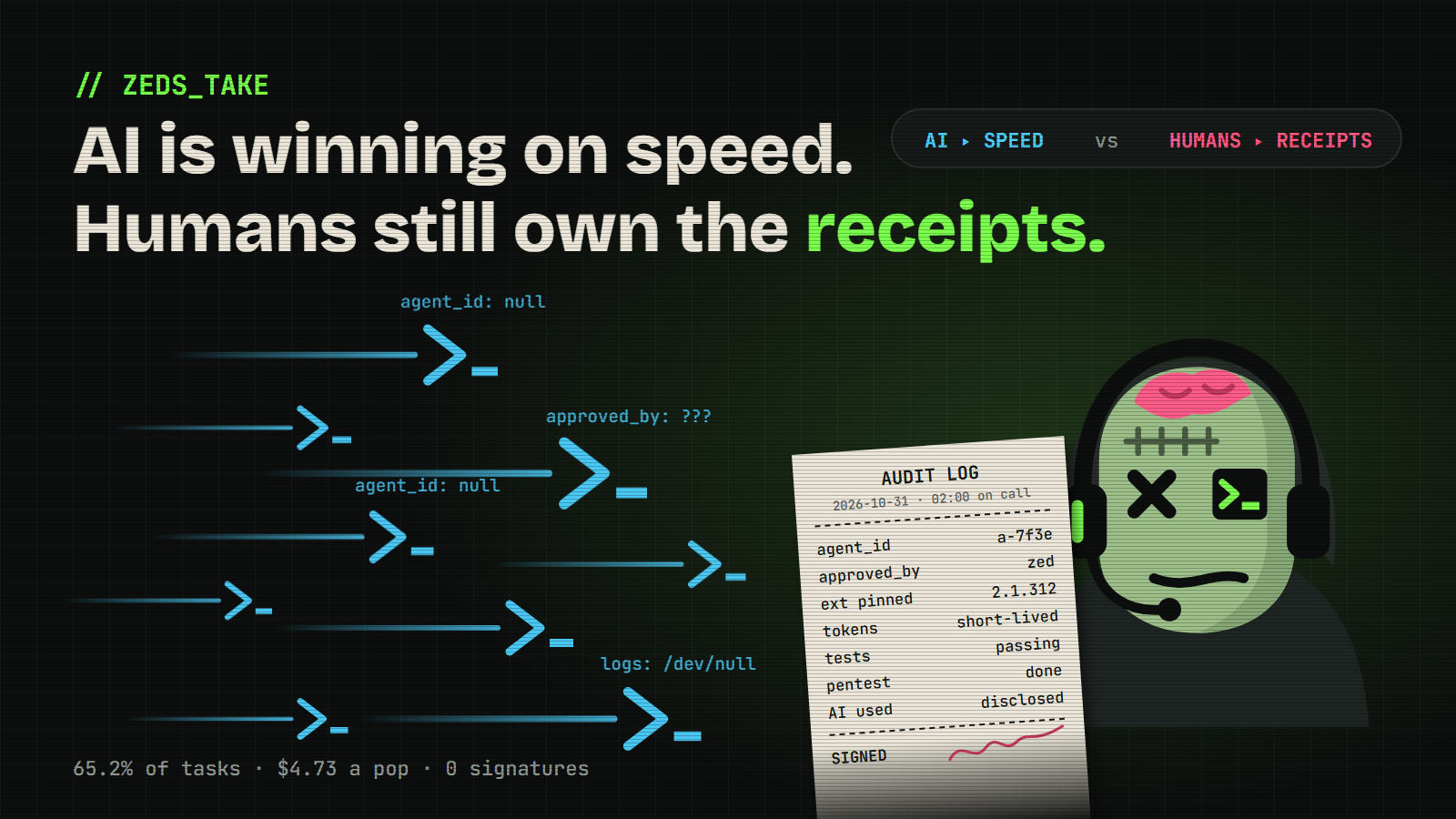
Scoreboard update: Draw. AI won most of today's rounds, but people won the one that writes the rules.
Stay undead.
Comments 0